
Foot fetishism is treated as a punchline more often than any other common kink. Late-night comedy, sitcom references, the specific reflexive laugh when someone admits to it – the whole cultural apparatus around foot interest is built to trivialise it. Which is odd, given that prevalence surveys consistently show it as one of the more common non-mainstream sexual interests, present in a meaningful percentage of the general population.
The gap between how common the interest is and how seriously it’s treated is worth taking seriously. There’s genuine psychological content to what practitioners are responding to, and the reductive versions of the story miss most of it.
The specific things that get attention
Ask practitioners what specifically draws them and the answers are more varied than outsiders assume. The category “feet” flattens what’s actually several distinct sensory and aesthetic interests.
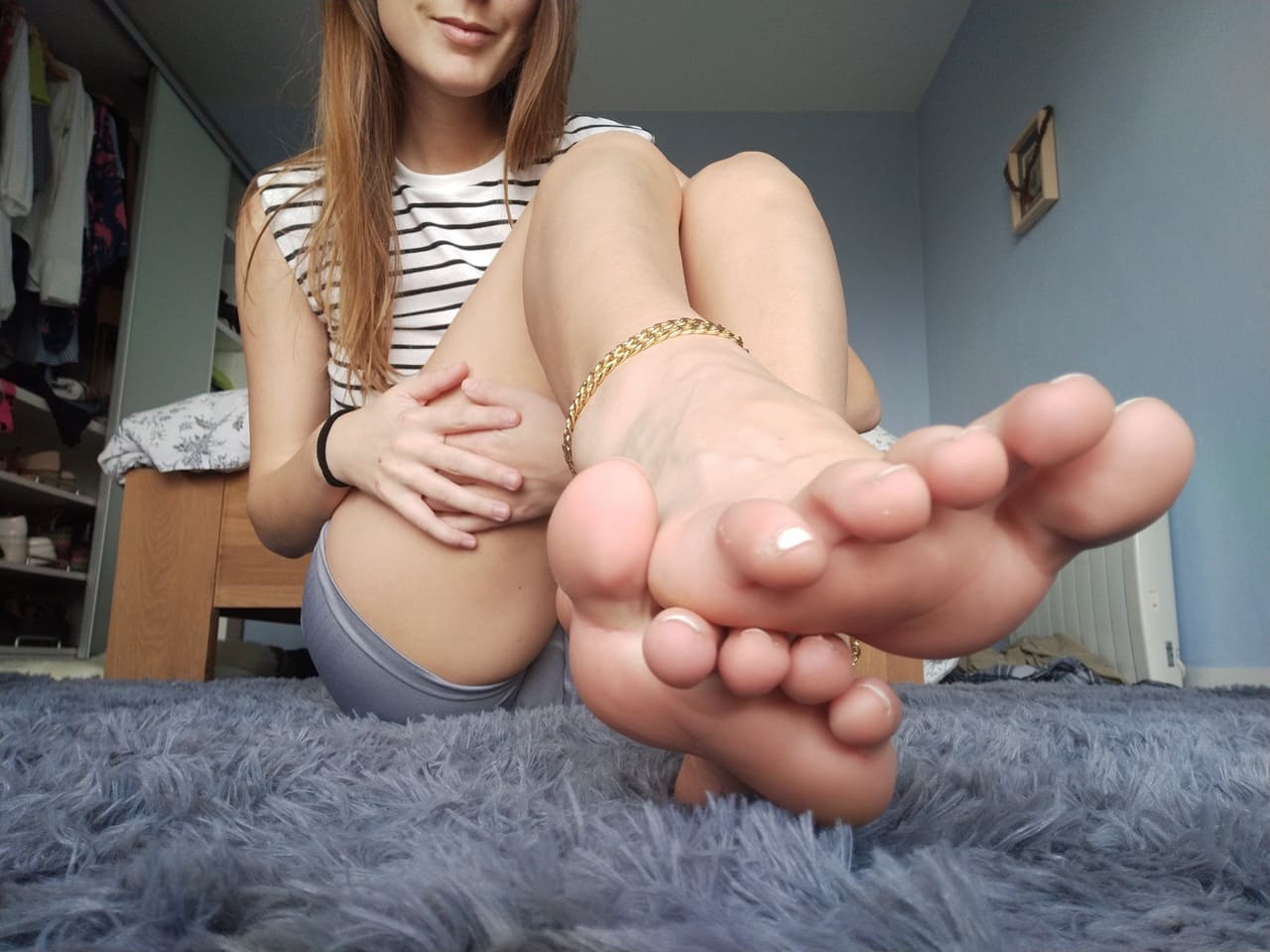
Shape and proportion. For some practitioners, the specific visual geometry of feet – the arch, the specific relationship between the ankle and the toes, the particular curve of the sole – is the primary object of interest. This is essentially an aesthetic response to a specific form.
Toes. Some practitioners are specifically drawn to toes rather than to feet generally. The specific length, arrangement, and shape of individual toes carries the interest. Toe-focused subcategories exist within the broader community.
Soles. The specific area of the underside of the foot, often emphasised in specific poses, carries its own particular attention. Sole-focused interest often connects to vulnerability themes – the sole is a private surface not normally seen or handled.
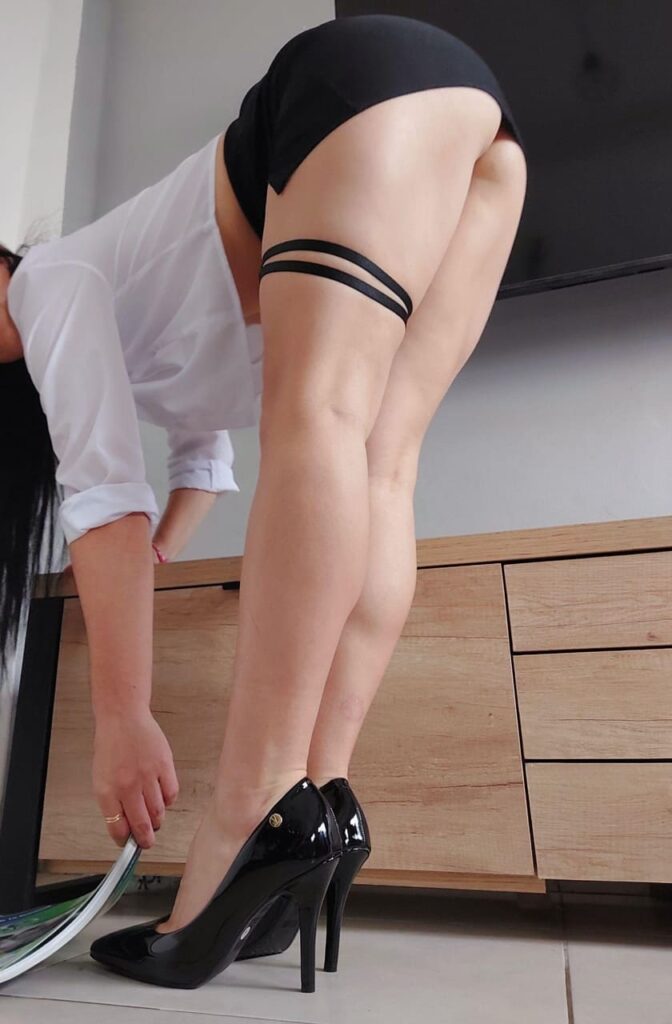
Footwear. For some practitioners, the interest is really shoe-focused rather than foot-focused. Specific styles, specific materials, specific relationships between foot and shoe carry the response. Boots, high heels, specific brands, specific vintages – the specific footwear can be as important as the foot inside.
Socks and stockings. Another subset focuses on the intermediate covering rather than the foot itself. The specific texture, colour, and condition of socks or stockings can be the primary object of interest.
Movement. For some practitioners, the specific movement of feet – walking, dancing, arching, pointing – is what carries the erotic response. Static images of feet may not produce the same effect as watching feet in motion. Of course, the footjob is listed here.
These aren’t sharp categories. Most practitioners have interests that span several of them. But they’re distinct enough that “foot fetish” is closer to a family of related interests than a single unified thing.
Curious of finding for yourself what foot fetishism is all about? Give us a call and book one of our sex-est foot fetish escorts for the evening!
The sensory dimension beyond sight
Visual attention is the most discussed feature, but the sensory picture is broader.
Touch matters. The specific texture of foot skin, the specific weight of a foot pressed against a body, the specific temperature – these tactile properties produce their own responses.
Smell matters for some practitioners. This is the most stigmatised element of the interest, and practitioners are often careful about naming it, but it’s genuinely part of the appeal for a subset of the community. The specific olfactory signature of feet – subtle, personal, distinct from the rest of the body – carries its own particular association for people whose interest includes this channel.
Sound plays a role for some – the specific sound of certain footwear, the sound of feet on specific surfaces, the sound of specific contact between feet and skin.
Multiple sensory channels combining produces a richer experience than any single channel alone. This is why long-term practitioners often describe the interest as involving the whole sensory presence of feet, not just their visual appearance.
The vulnerability and proximity angle
An underappreciated element of foot interest is the specific psychological weight of the body region.
Feet occupy specific social territory. They’re normally covered. They’re rarely seen. They’re the point of contact with the ground, which puts them in specific proximity to whatever surface a person is on. They’re often considered – culturally, in specific traditions – either particularly private or particularly humble.
This social positioning gives the feet a specific weight when they’re brought into intimate attention. Focus on the feet involves accessing a body region that’s normally excluded from social intimacy. The specific attention involves crossing a small but definite boundary.
For some practitioners, this crossing is a significant part of the appeal. Being attended to at the feet – a body region normally overlooked – produces a specific kind of noticing that other body areas don’t. Attending to a partner’s feet involves a specific quality of focus that other forms of touch don’t require.
This vulnerability dimension is part of why foot practice often features in D/s dynamics, where the specific accessing of feet – worship, massage, kissing – can function as an expression of the specific power configuration.
Why some people are focused on feet, others on shoes
The community splits meaningfully on this axis, and the split affects what practice actually looks like.
Foot-focused practitioners are drawn to the body part itself. Shoes are often incidental or actively removed. The specific interest is the foot in its own presentation. This tends toward more direct engagement – foot massage, foot worship, close visual attention to bare feet.
Shoe-focused practitioners may care less about the foot inside the shoe than about the shoe as an object. Specific styles, specific materials, specific configurations produce the response. This can shade into more general clothing fetishism when the shoes are treated as garments rather than as extensions of feet.
Sock and stocking practitioners occupy a middle position – interested in the foot but through the specific mediation of covering. The interest isn’t quite about the foot or the shoe, but about the specific intermediate presentation.
Many practitioners hold multiple threads. But the specific emphasis matters for what kinds of content they seek out and what kinds of practice satisfy the interest.
The online prevalence
Foot fetish content has one of the largest online footprints of any specific kink category. This is not new – foot content preceded the internet and continues to grow – but the internet has amplified it significantly.
Several factors contribute. The interest is relatively common in the general population, which produces a large potential audience. The content is relatively easy to produce (no professional models required, no specialised equipment). Feet are safe-for-work in a way most explicit content isn’t, which lets foot content circulate on platforms that don’t allow more graphic material. The market for foot-specific content has correspondingly developed a large commercial infrastructure – dedicated sites, camming performers, purchasable content of various kinds.
The size of the online market shouldn’t be read as evidence that the interest is more common than it was before. It’s evidence that people with the interest can now find dedicated content and community more easily. Same underlying interest; different infrastructure serving it.
Why there’s no single explanation
Various theories have been proposed for why foot interest is as common as it is. Some are worth mentioning; none is definitive.
The neurological adjacency theory. V.S. Ramachandran suggested that the somatosensory cortex has feet mapped adjacent to genitals, and that some foot interest might involve cross-wiring or spillover between the two representations. This is speculative and has been contested; it’s an interesting hypothesis rather than an established explanation.
The cultural coding theory. Some analysts have pointed to specific cultural histories where feet were symbolically important or specifically prohibited – Victorian anxieties, specific religious traditions, particular fashion histories. The theory is that cultural framing shapes what body regions become erotically loaded.
The developmental theory. Others suggest specific early associations – feet visible during childhood in specific contexts – may play a role for some individuals. This is difficult to test.
The general kink formation theory. Others hold that specific interests form for specific individuals through a range of factors, and asking why a specific category is common is like asking why any specific aesthetic preference is common. The answer is probably some combination of small structural features and large individual variation.
None of these is a full explanation. The most honest position is probably that foot interest is one of the more common non-mainstream sexual interests, and the specific reasons for that commonness aren’t fully understood.
The specific harm the joke does
The persistent joke framing of foot interest has specific costs.
It makes people with the interest less willing to disclose to partners, which produces avoidable conflict when the interest surfaces later. It sends the message that this common interest is uniquely deserving of ridicule, when it isn’t. It creates specific stigma around a preference that, in the broader picture, is more prevalent than many kinks that are treated more seriously.
None of this is a defence of foot interest as somehow superior. It’s just an argument that the specific asymmetric ridicule aimed at foot practitioners is disproportionate to the actual weirdness of the interest, which is not that weird.
Foot fetish is worth understanding on its own terms rather than as a punchline. The interest involves a specific combination of sensory attention, vulnerability territory, and aesthetic response that produces genuine erotic engagement for a meaningful percentage of the population.
The community around the interest has developed its own specific practices, its own specialisations, its own content ecosystem. The practitioners have their own reasons and their own experiences. Reducing all of it to “haha, feet” misses everything that’s actually interesting about a preference that a lot of people, quietly, share.
The people you know who love feet aren’t strange. They’re one of the more common kinks in your neighbourhood, and they’ve mostly just learned not to bring it up because they know how the conversation goes.
Sources:
- Scorolli, C., Ghirlanda, S., Enquist, M., Zattoni, S., & Jannini, E. A. (2007). Relative prevalence of different fetishes. International Journal of Impotence Research, 19(4), 432–437. – reference on relative prevalence of specific sexual interests, with foot fetish appearing prominently.
- Joyal, C. C., & Carpentier, J. (2017). The prevalence of paraphilic interests and behaviors. Journal of Sex Research, 54(2), 161–171.
- Ramachandran, V. S., & Blakeslee, S. (1998). Phantoms in the Brain. William Morrow. – reference for the somatosensory adjacency hypothesis (speculative rather than established).
- Bering, J. (2013). Perv: The Sexual Deviant in All of Us. Farrar, Straus and Giroux.
- Featured image: Xgroovy.com.