
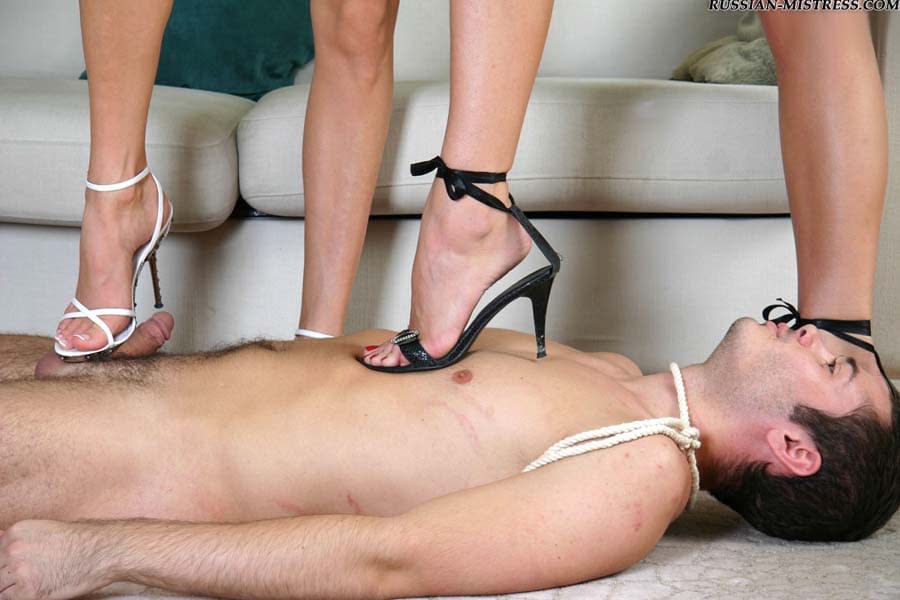
Thousands of feet pass over a London pavement every hour and nobody pays the slightest attention. The entire transaction is beneath notice, literally. Which makes it rather striking that in a fetish context, a single deliberate step can carry more charge than almost anything else in the room – same mechanics, utterly different meaning, and the difference is made up entirely of intention and consent.
That gap between the mundane and the loaded is where the trampling fetish lives.
What trampling actually is
In a BDSM context, trampling describes one person standing or walking on another, usually with the person underneath lying on the floor. That is the plain description. The experience built on top of it varies enormously.
It sits near several related interests that get muddled together.
Foot worship is about the feet themselves – attention, adoration, close focus. Trampling is about weight and the dynamic it creates. Plenty of people enjoy one and are indifferent to the other.
Standing for sensation is a quieter variant where the appeal is simply pressure, closer to deep-tissue massage than to theatre.
Sometimes people refer to trampling as carpet walking, but be careful with it: different people mean quite different things by it, from the idea of being walked across like flooring to much milder scenarios. If someone uses the phrase, ask what they mean rather than assuming.
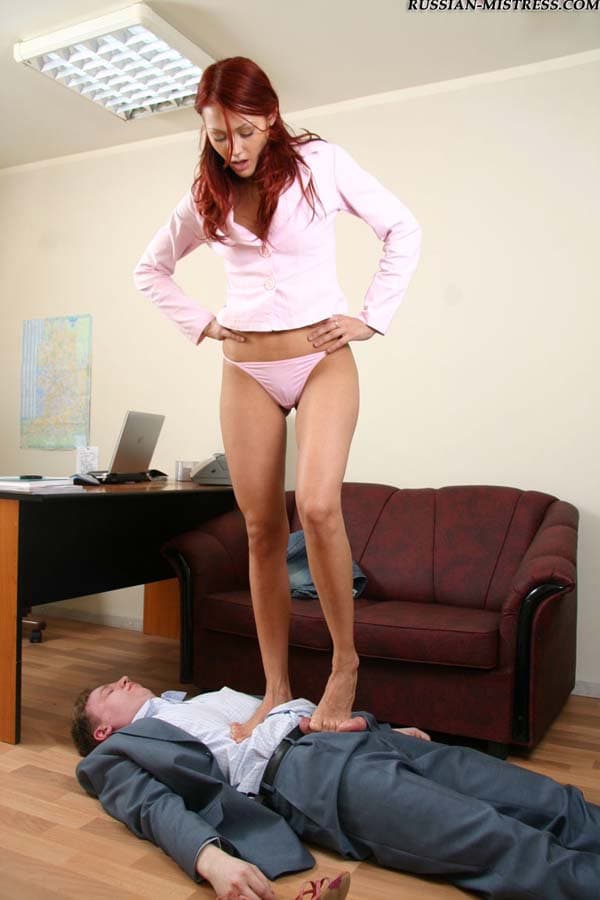
The appeal
Weight is a sensation in its own right. Firm, sustained pressure on large muscle groups genuinely feels good to a lot of people, which is why deep massage exists. Trampling puts that sensation inside a frame that makes it erotic.
Vulnerability and trust. Lying on the floor beneath someone standing over you is about as defenceless as a position gets. For people drawn to submission, that defencelessness is not a side effect – it is the point, and the fact that it is chosen is what separates it from genuine helplessness.
The visual and symbolic. Someone standing over you, looking down. Footwear, which is frequently part of the appeal and sometimes the whole of it. The gesture of being underfoot carries centuries of symbolic weight about status and dominance, and symbols retain their charge even when everyone knows they are playing.
Ritual. For a good number of kinksters, the appeal is the choreography – the setup, the positioning, the slow deliberateness. The sensation is almost incidental to the scene surrounding it.
People divide along these lines more than you might expect. Some want the symbolism and barely register the pressure. Others want the physical sensation and find the dominance framing a bit theatrical. Both are entirely normal participants in the same activity.
The risks, which are real
Body weight is not a gentle force and this is one of those activities where the gap between “fine” and “hospital” is narrower than many fetishists like to admit.
An adult standing on another person concentrates their entire mass through a very small area. A heel is a smaller contact patch than most people picture, and the pressure it produces is substantial.
Pressure on the chest and abdomen can prevent breathing. The chest needs to expand to draw air. Weight on it can stop that happening, and a person who cannot breathe cannot reliably tell you so.
The head and neck must be left alone. There is no safe way to apply body weight to a neck. The structures there are fragile, the consequences of getting it wrong are catastrophic and can arrive with very little warning, and no amount of experience or care makes this a reasonable thing to attempt.
The abdomen houses organs with no protection. The spleen, liver and kidneys sit behind soft tissue. Concentrated force can damage them, and internal injury is not always obvious at the time.
We are not going to provide instructions for positioning full body weight, and you should be sceptical of anyone who does. The single most important thing to understand is that consent does not alter physics. Two people agreeing to something unsafe have produced an agreement, not a safety margin.
Safer principles
Stay away from the vulnerable areas entirely. Head, neck, throat, chest, abdomen, spine, joints. That leaves the back of the thighs, the buttocks, and the broad muscle of the upper back – areas with muscle and no fragile structures underneath.
Start far lighter than feels interesting. Supported weight – hands on a wall, a chair, a bed frame – lets the person on top control exactly how much is transferred, and gives them somewhere to go instantly. Begin with a fraction of their weight and stay there until both people genuinely know what they are doing.
Footwear is a decision, not a detail. Heels concentrate force dramatically. Bare feet and flat soles spread it. If heels are part of the appeal, understand that you have substantially increased the force at the contact point and adjust everything else accordingly.
Agree on a signal that works without speech. Someone under weight may be winded or simply unable to get words out. A hand tap, a dropped object, a held item released – something unmistakable and physical.
Stop immediately for breathing difficulty, numbness, tingling, sharp pain, dizziness, or any pain that persists after the weight comes off. Numbness and persistent pain are worth taking seriously rather than shaking off, and anything suggesting internal injury – abdominal pain, breathlessness that doesn’t settle, feeling faint – warrants medical attention rather than a wait-and-see.
If communication becomes unreliable, the scene is over. Not paused. Over.
Misconceptions worth clearing up
Not everyone who enjoys trampling wants pain. A great many want pressure, which is a different sensation entirely, and some actively dislike anything that hurts.
Not everyone wants humiliation. The symbolic reading is one possible flavour, not an inherent property.
And intensity is not a measure of anything. The idea that a good scene is a heavy one has got people hurt. The people who have done this longest tend, almost without exception, to be the most conservative about it – which should tell you something.
There is a line here that is worth being honest about, and it is not where beginners usually imagine it. It is not between the daring and the timid. It is between making an impression and leaving someone with an actual injury, and the people who know the difference are the ones still enjoying themselves in ten years.
Is face sitting an escalation of trampling?
In the context of BDSM and dominance & submission dynamics, face sitting is not strictly a direct escalation of trampling; rather, they are distinct practices that can overlap depending on how they are executed.
When Facesitting IS an Escalation
- Breath Control (Breathplay): If your trampling sessions only focus on the sensation of heavy weight on the torso, moving to facesitting introduces oxygen restriction and claustrophobia. In terms of panic response and respiratory risk, facesitting can be a massive escalation.
- Sensory Deprivation & Vulnerability: Facesitting completely blocks the submissive’s sight, muffles their hearing and restricts breathing. This level of intense, direct intimacy can feel much more overwhelming than having someone stand on your back.
When Facesitting IS NOT an Escalation
- Raw Physical Impact: In terms of skeletal load, full trampling (where the dominant stands with 100% of their weight on the submissive’s chest or abdomen) carries a much higher risk of crushing injuries.
- Weight Distribution: During facesitting, a dominatrix often supports a large portion of her weight with her knees, thighs, or the bed, meaning the actual weight on the face is lighter than the weight used in trampling.
Images: www.pornpics.com/galleries/trampling/
Trampling 2: www.pornpics.com/priscilla-trampling/